

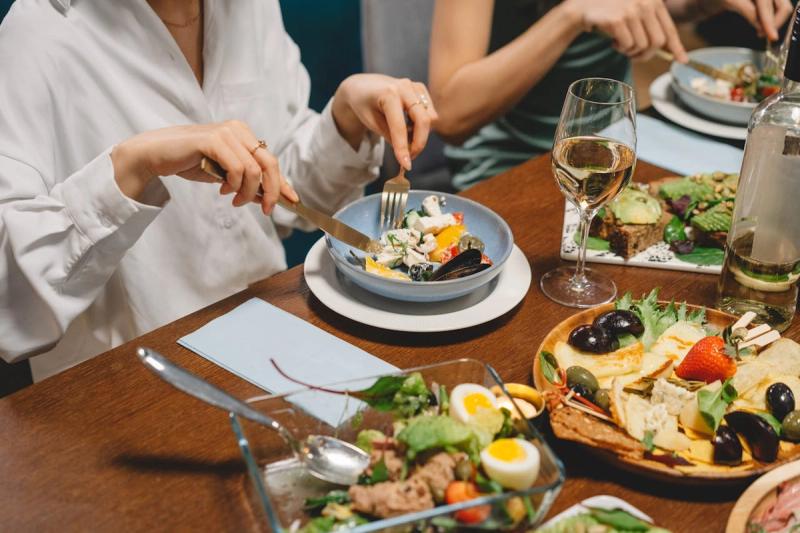
We rush through life, work, and even meals. Fast food and desk lunches have replaced mindful eating, but consuming food quickly comes at a cost. Slow eating is a habit that people have practiced for centuries, and it remains a highly effective approach to eating. Science now backs this up. When you eat slowly, you help your digestion, balance your hormones, and enjoy your food more.
The Science Behind Slow Eating
The body responds to an intricate network of signals. Hormones influence our experience of hunger, fullness, and energy levels.
- Ghrelin tells you when to eat.
- Leptin tells you when to stop.
- Insulin manages blood sugar after meals.
These signals aren’t immediate. In fact, your brain needs about 25 minutes to register fullness. Eating quickly means you often outpace these signals, leading to overeating. By eating slowly, you give your body a chance to catch up. You recognize satisfaction, stopping comfortably instead of becoming overly full.
Why Fast Eating Took Over
Modern life pushes speed.
- Work schedules shrink mealtimes.
- Food delivery makes eating mindless.
- Phones and screens steal attention.
As eating becomes another task to complete, we risk harming our digestion, increasing our stress, and losing our connection to the food before us.
Benefits of Eating Slowly
At first glance, slowing down may seem simple. In practice, though, this one habit can transform your health.
1. You Improve Digestion
Chewing breaks food down. Your stomach works more easily. Bloating and discomfort fade.
2. You Eat Less Without Trying
Pausing between bites lets fullness register. You naturally eat less.
3. You Stabilize Blood Sugar
Eating slowly avoids insulin spikes and keeps your energy steady.
4. You Lower Stress
Slow meals relax your body and lower stress hormones.
5. You Enjoy Food More
Slowing down allows you to notice the flavors. Food becomes more satisfying.
The Hormonal Impact of Slow Eating
With slow eating, your hormones can work in concert rather than conflict.
- You reduce cortisol when you eat calmly.
- You balance insulin by slowing the release of sugar.
- You honor leptin and ghrelin by letting them signal hunger and fullness.
Together, slow eating helps your body’s systems cooperate more effectively.
How to Practice Slow Eating
You don’t need to memorize complicated rules. Instead, focus your attention and set an intention each time you eat.
1. Create a Calm Setting
Sit at a table. Remove distractions. Put your phone away.
2. Begin with Gratitude
Pause before your first bite. Notice the colors, scents, and effort that went into the meal.
3. Chew Properly
Chew until the food feels soft. Let flavor sink in. This forces a natural rhythm.
4. Put Down Your Fork
Rest your fork between bites. This breaks the cycle of rapid eating.
5. Check Midway
Halfway through, ask: Am I still hungry? You may find you’re already satisfied.
6. Eat with Others
Conversation naturally slows meals. Shared food encourages mindful bites.
Common Excuses and Fixes
You might think you don’t have time to eat slowly. But you don’t need a lot of extra time. Even adding five more minutes can make a big difference.
- Excuse: My job leaves no time.
Fix: Choose one meal a day to eat slowly, like dinner.
- Excuse: I get distracted.
Fix: Start with one screen-free meal each day.
- Excuse: My kids rush.
Fix: Make slow meals a family ritual. Teach children by modeling it yourself.
Why Slow Eating Isn’t a Diet
Diets tell you what to eat. Slow eating teaches you how to eat.
- No calorie counting.
- No forbidden foods.
- No guilt.
Slow eating is a lifestyle, not just a trend. Unlike diets, it can fit into any culture, kitchen, or schedule.
Why This Forgotten Trend Still Works
Wellness trends often come and go. Many seem exciting at first, but don’t last. Slow eating doesn’t need hype because it actually works.Humans once ate slowly by default. Families gathered around meals. Phones didn’t interrupt. Stress didn’t dominate. Now, science has proven that returning to this old rhythm helps with digestion, weight management, hormonal balance, and overall well-being.
A Quick Slow Eating Checklist
Want to start today? Try this:
- Sit for every meal.
- Put down your fork between bites.
- Chew longer.
- Sip water between bites.
- Time your meal to last at least 20 minutes.
- Pause halfway and check your hunger.
- Eat without screens.
Pick one tip today. Add more over time.
Conclusion: Slow Down, Feel Better
Slow eating looks simple, but it works on every level. Your digestion improves. Your hormone balance. Your stress drops. And your meals taste better. You don’t need rules, apps, or expensive plans. You only need to slow down. At your next meal, commit to eating slowly: put down your fork between bites, take a breath, chew, and savor each moment. Take this simple action now, and your body will thank you.