

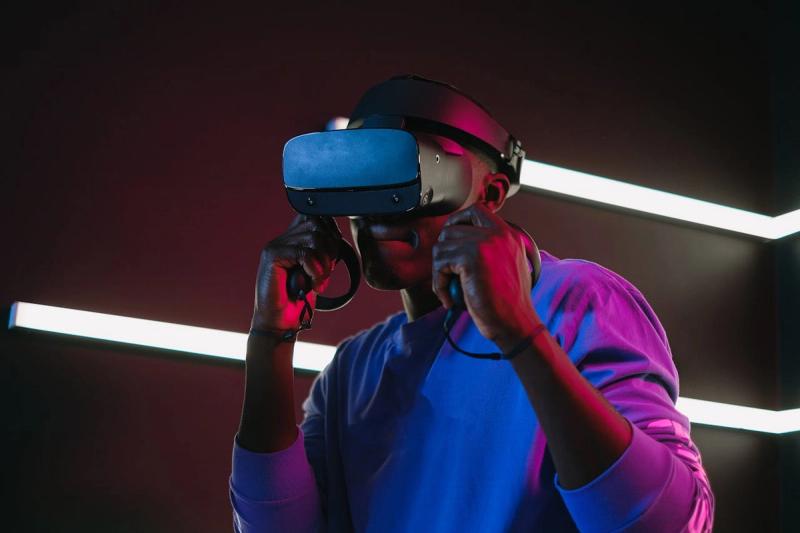
When most people think about technology, they picture the latest phone, a smartwatch, or futuristic glasses. For years, every tech revolution has centered on a new device, such as computers, smartphones, or wearable devices. But the next big change isn’t about hardware. The real shift is happening behind the scenes. It’s about software, intelligence, and systems that quietly change how we live and work. Now, the focus is moving from what you hold to what shapes your surroundings. Gadgets will still play a role, but they won’t be the main story. The future belongs to technologies that blend into our lives and work everywhere, all the time.
Beyond the Obsession with Devices
Tech companies have trained us to look forward to “the next big thing” in hardware. A bigger screen, a thinner design, or a faster processor often makes headlines. But these upgrades are reaching their limits. The truth is, consumers no longer get excited by small changes in physical devices. A slightly better camera or a new shade of color doesn’t feel revolutionary. What people want now is not just another object. Seamless experiences improve daily life.
The Rise of Invisible Technology
The next revolution lies in tools you don’t see but constantly feel.
Examples of invisible tech leading the way:
- Artificial Intelligence: Powers chatbots, personal assistants, and smart recommendations.
- Cloud Computing: Stores and processes data in the background, making apps accessible everywhere.
- Automation: Handles repetitive tasks in business and personal life without human effort.
- Algorithms: Shape what we watch, buy, and read, quietly influencing decisions at scale.
These aren’t gadgets sitting on a desk. They are infrastructures running in the background, changing how the world operates.
Why Gadgets Alone Can’t Drive the Future
Hardware has limitations due to its physical form. Phones can only get so thin, batteries only last so long, and screens can’t keep getting bigger. Think of hardware improvements as a slow, steady path, shaped by what materials can do. Software and systems, on the other hand, can improve much faster and sometimes make big leaps overnight. For example, battery improvements occur slowly, but an AI can become significantly smarter in a short time. When hardware reaches its limits, progress slows down, but software continues to move quickly.But software and systems can scale infinitely. An AI model can get smarter every day. A cloud network can expand globally. Automation can replace tasks across industries without requiring the redesign of a device. The breakthroughs ahead will be measured less in “what’s in the box” and more in “what happens behind the scenes.”
Everyday Life Already Shows the Shift
Look around, and you’ll see the shift already underway:
- You don’t need a new gadget to get AI-powered recommendations on Netflix.
- You don’t need futuristic glasses to have Google Maps guide you in real-time.
- You don’t need a special device to have a chatbot draft your emails.
The tools that transform our lives today are built into services and systems, not just gadgets.
What This Means for Businesses and Consumers
For businesses, this change brings both new chances and new responsibilities. Companies that only sell hardware could fall behind. The real winners will be those who build systems powered by software, automation, and intelligence. These systems will offer complete, connected solutions for customers. Take healthcare, for example: a smart system might include a fitness tracker, a mobile app to monitor your health, cloud services to store and analyze your data, and AI tools that provide personalized health advice. This type of setup keeps people engaged by ensuring everything works smoothly together. Businesses in other areas, such as transportation, should aim for the same goal, combining apps, ride-sharing services, and public transportation updates into one easy-to-use system.For consumers, the benefits are clear:
- More seamless experiences: fewer apps, more integration.
- Greater efficiency: tech does the heavy lifting in the background.
- Personalization at scale: services adapt to individual needs automatically.
This isn’t about collecting more devices. It’s about unlocking more value from the ones we already have.
The Human Side of the Revolution
Every tech wave also brings cultural changes. The move away from gadgets means:
- Less obsession with upgrading hardware every year.
- More focus on privacy, data, and trust in systems.
- A shift from owning things to using services.
The conversation will center on how much control we give to these invisible systems, and how much we trust them to act on our behalf.
Conclusion: The Revolution Is Already Here
The next big tech revolution won’t arrive in the form of a sleek new gadget. It’s already unfolding in the software, intelligence, and automation that run our daily lives. Devices will still matter, but they will no longer define innovation. The future belongs to systems that aren’t just in your pocket. They’re all around you, helping and shaping your life without needing your constant attention. Today, innovation is often quiet and works in the background, rather than grabbing your attention.